

BDSM for Beginners: Where Do You Even Start?
BDSM for beginners doesn't have to mean elaborate restraints, intimidating equipment or jumping straight into the deep end. A good first experience starts with curiosity, clear consent and boundaries, then adds simple activities you both genuinely want to try, at a pace that feels comfortable.
What does BDSM actually mean for beginners?
BDSM is an umbrella term for consensual activities involving things like bondage, rules, power exchange and controlled sensations. It can be playful and subtle or more intense, and you don't have to enjoy every part of it to consider BDSM worth exploring.
The letters are usually associated with Bondage and Discipline, Dominance and Submission, and Sadism and Masochism. That sounds like quite a lot when you're brand new, but don't let the terminology make it feel more complicated than it needs to be.
For one couple, BDSM might mean using a blindfold and taking turns being in control. For another, it could involve restraints, spanking or role play. Someone else might be far more interested in giving instructions, surrendering control or creating a particular mood than using any toys at all.
And no, you don't have to immediately decide whether you're a Dom, sub or anything else. You can simply be two curious people trying something new.
Good to know: BDSM isn't defined by how intense an activity looks. What matters is that everyone involved understands what's happening, actively agrees to it and can change their mind at any time.
How do you know what kind of BDSM you might enjoy?
You don't need to know your BDSM preferences before you begin. Start by identifying the ideas that spark curiosity, then separate them into things you'd like to try, things you might consider and things that are definitely off the table.
A surprisingly useful starting point is talking about fantasies rather than shopping for equipment. What part of the fantasy actually appeals to you?
- Being told what to do?
- Being the person in control?
- Not knowing exactly what sensation comes next?
- Being restrained?
- Giving up control for a while?
- Spanking or other controlled sensations?
- Dressing differently or slipping into a role?
You may discover that the interesting part isn't the activity you first imagined at all. A fantasy about restraints, for example, might really be about surrendering control. That gives you plenty of ways to explore the feeling without immediately reaching for rope and learning seventeen different knots before Saturday night.
Try a yes, maybe, no list
Separately write down activities as yes, maybe or no, then compare your answers. Treat the "maybe" column as an invitation to talk, not automatic permission to try it.

How do you talk to your partner about trying BDSM?
Talk about BDSM away from the bedroom first, when neither of you feels pressured to make an immediate decision. Keep the conversation curious rather than presenting your fantasy as something your partner is expected to agree to.
You don't need a dramatic announcement. Something as simple as, "I've been curious about trying a blindfold together. How would you feel about that?" gives your partner space to respond honestly.
Then get specific. "I want to try BDSM" can mean completely different things to different people. Talking about the actual activity makes consent much clearer.
Before you play, talk about:
- what you're both curious about;
- what you definitely don't want;
- anything you're uncertain about;
- who wants to take which role;
- how intense you want the experience to be;
- what words or signals will mean slow down or stop;
- what kind of check-in you'd appreciate afterwards.
Remember that consent is specific and ongoing. Agreeing to being blindfolded doesn't automatically mean agreeing to restraints. Saying yes last weekend doesn't guarantee a yes tonight either.
The simplest rule: uncertainty means you talk more, not push harder. BDSM works best when both people feel comfortable saying "yes", "not that", "slower" and "stop".
What BDSM safety rules should every beginner know?
Beginner BDSM should be consensual, informed and easy to stop at any moment. Agree on boundaries before you start, establish a clear stop signal and choose activities whose risks you actually understand.
You may come across the term SSC, meaning Safe, Sane and Consensual, or RACK, meaning Risk-Aware Consensual Kink. The terminology differs, but the useful idea is similar: consent matters, and so does understanding the potential risks of what you're doing.
Choose a safeword or signal
A common approach is the traffic-light system:
- Green: I'm comfortable, keep going.
- Yellow: slow down, reduce the intensity or check in.
- Red: stop immediately.
If an activity makes speaking difficult or impossible, agree on a non-verbal signal beforehand, such as repeatedly tapping or dropping an object held in the hand.
Keep restraints safe
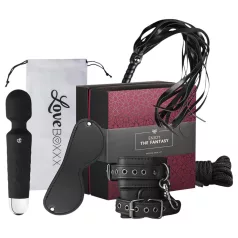
Restraints should never interfere with breathing or be placed so tightly that they compromise circulation. Check the restrained areas regularly and make sure you can release your partner quickly. Purpose-made BDSM bondage and restraint accessories can be a much friendlier starting point than improvising with household objects that weren't designed for the job.
Never leave a restrained person unattended.
Stay sober enough to communicate
Alcohol and other substances can affect judgement, sensation and the ability to give meaningful consent. Especially when you're learning something new, clear communication is much more useful than liquid courage.
What are good BDSM activities for beginners?
Good beginner BDSM activities are simple, controllable and easy to stop. Blindfolds, light restraints, playful instructions, sensory play and gentle spanking can all let you explore BDSM without trying several unfamiliar things at once.
The best starting point isn't necessarily the activity that looks most exciting online. Pick something that matches the part of BDSM you're actually curious about.
Blindfold and sensory play
A blindfold is one of the easiest ways to change a familiar experience. Removing sight can make anticipation and ordinary touch feel surprisingly different. Try combining it with gentle touches, kisses or different textures while communicating throughout.
Light bondage
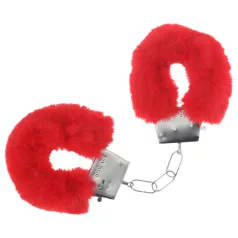
If the idea of giving up some physical control appeals to you, start with simple cuffs or soft restraints that can be removed quickly. One set of restrained wrists can tell you plenty about whether bondage excites you. There's no bonus prize for tying half the bedroom together on your first attempt.
Simple power play
BDSM doesn't require equipment. One person can take the lead by deciding the pace, giving agreed instructions or asking the other partner to wait for permission before doing something. Discuss beforehand what kind of control sounds exciting and what doesn't.
Gentle impact play
If spanking or impact play interests you, start gently and build gradually. Avoid vulnerable areas such as the head, neck, spine, kidneys and joints. Learn where and how an activity can be performed more safely before increasing intensity.
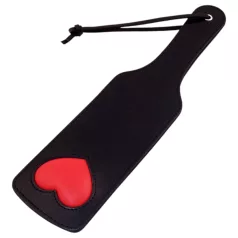
If this is the side of BDSM that catches your attention, you can explore purpose-made BDSM whips and paddles once you understand how different materials, shapes and designs can change the sensation.
Which BDSM toys are best for beginners?
The best BDSM toys for beginners are easy to control, comfortable to use and suited to one specific thing you already want to explore. You don't need a suitcase full of equipment. One or two well-chosen accessories are usually a much better introduction.
For a first experiment, consider:
- a comfortable blindfold for sensory play;
- soft or quick-release cuffs for beginner bondage;
- a beginner-friendly paddle if you're curious about impact play;
- a feather or sensory accessory for teasing and anticipation;
- a collar or simple role-play accessory if the psychological side of power exchange interests you.
Think about material quality too. Anything touching the body should be easy to clean and appropriate for its intended use. Restraints should be comfortable, secure and straightforward to release. Impact toys should give you enough control to start gently.
You can browse the wider BDSM accessories range to see the different options, but don't mistake a bigger collection for a better first experience. Start with the feeling you want to explore, then choose the tool.
Shopping without the awkward bit: Lovesexshop.ie orders are sent in discreet packaging, and the sex shop name doesn't appear on your bank statement. Secure payment, straightforward returns and reliable international delivery help keep the practical side of exploring something new refreshingly uneventful.
What should you avoid when you're new to BDSM?
When you're new to BDSM, avoid activities with serious consequences if something goes wrong until you've learned the specific safety skills involved. Starting slowly isn't boring, it's how you discover what you enjoy without taking risks you don't yet understand.
In particular, beginners shouldn't casually experiment with:
- breath restriction or pressure around the neck;
- suspension bondage;
- self-bondage while alone;
- restraints that can't be released quickly;
- impact to vulnerable parts of the body;
- activities involving unfamiliar equipment without learning how to use it first.
Also avoid stacking too many firsts together. New restraints, a new impact toy, a new role and a much higher level of intensity all in the same session make it harder to work out what feels good and what doesn't.
There's another thing worth avoiding: copying something simply because you've seen it in erotic entertainment. What looks effortless on screen may involve preparation, experience, editing and safety precautions you can't see.
Curiosity is great. Pair it with a little homework.

What is BDSM aftercare and why does it matter?
BDSM aftercare is the physical and emotional check-in that happens after play. It helps both partners come back to their everyday dynamic, see how they're feeling and talk about anything that needs attention.
Aftercare isn't one fixed ritual. Depending on the people and the activity, it could mean:
- cuddling or quiet physical closeness;
- having some water and resting;
- checking the skin after restraints or impact play;
- giving each other space;
- talking about what felt particularly good;
- discussing anything that felt uncomfortable or unexpected.
And yes, the person who took the dominant role may want aftercare too. Being the one in control can also be emotionally or physically demanding.
It's often useful to check in again later, once the excitement has settled. Ask what you'd happily repeat, what you'd change and what belongs firmly in the "not again, thanks" pile.
Beginner tip: your first BDSM experience doesn't need to answer the question "Are we into BDSM?" A much better question afterwards is, "Which parts of that did we enjoy?" Build from there.
What do people most often ask about BDSM for beginners?
Is BDSM safe for beginners?
BDSM can be explored more safely when everyone gives informed, enthusiastic consent, understands the activity and its risks, agrees on boundaries and can stop at any time. Beginners should start with lower-risk activities and learn proper safety techniques before moving towards more complex forms of bondage or impact play.
Do you need BDSM toys to get started?
No. Some of the easiest BDSM ideas for beginners require no toys at all. Agreed instructions, taking turns being in control or experimenting with anticipation can introduce power play without equipment. If you do want toys, start with simple, purpose-made accessories that are easy to control and release.
How do I know if I'm dominant or submissive?
You don't need to choose a label before experimenting. You might enjoy taking control, giving it up, switching between the two or enjoying BDSM without identifying strongly with either role. Pay attention to which dynamics appeal to you and let your preferences develop naturally rather than forcing yourself into a category.
What is a good safeword for BDSM?
A good safeword is easy to remember and unlikely to appear naturally during play. Many couples use "red" for stop and "yellow" for slow down or check in. If speaking isn't possible, agree on a clear physical signal that can be recognised immediately.
What is the easiest BDSM activity to try first?
Blindfolding, light sensory play, simple power exchange and soft restraints are common starting points because they're relatively easy to control and stop. The right first activity depends on what genuinely interests both partners, so choose one idea together rather than trying to recreate someone else's version of BDSM.
Can you try BDSM in a long-term relationship?
Absolutely. BDSM can be explored whether you've been together for months or years. In fact, knowing each other well can make conversations about preferences and boundaries easier. The important part is not assuming that familiarity equals consent: talk about each new activity and agree on it together.
So, where should you start with BDSM?
The best way to approach BDSM for beginners is to start with a conversation, choose one idea you're both genuinely curious about and keep the first experiment simple. Agree on boundaries and a safeword, understand the risks, check in during play and make time to talk afterwards.
You don't need to become experts overnight. You don't need labels, an elaborate setup or a drawer full of equipment either. BDSM can begin with something as simple as a blindfold, a playful instruction or the exciting question: "Would you like to try this with me?"
If the answer is an enthusiastic yes, you can explore our BDSM accessories for beginners and beyond and choose something that fits the kind of play you're curious about. Start small, communicate well and let the fun part be discovering what works for the two of you.
Struggling with performance in the bedroom? You're not alone — and you don't have to reach for pharmaceuticals to see real improvement. From everyday foods to simple lifestyle changes, there are proven natural methods to support stronger erections, higher libido, and better stamina. In this guide, we break down what actually works, answer the most common questions men have about natural potency enhancement, and explore when a herbal supplement might be worth trying.
Anal fingering can be a comfortable, intimate way to explore anal pleasure when you use clean hands, plenty of lubricant, slow pressure and clear communication. Start with external touch, let the receiving partner control the pace, and treat pain as a reason to pause rather than something to push through.
A chastity cage should feel secure, comfortable and easy to remove, never painful or circulation-limiting. The right choice comes down to accurate measurements, a well-finished body-safe material, sensible first wear sessions and a cleaning routine that keeps skin calm and healthy.
The wet orgasm – also known as squirting – is one of the most thrilling and visually intense experiences a woman can have during sex or masturbation. It’s no surprise that it often appears in porn, since the sight of it is incredibly arousing for many – especially men. While some still think it’s just a myth, plenty of women have reported experiencing this powerful, squirting climax. The good news? With the right stimulation and an open mind, you can experience it too.