
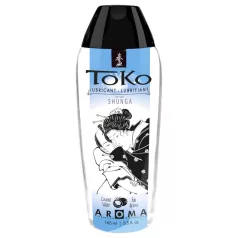
Lube for Sex: Which Type Should You Use and When?
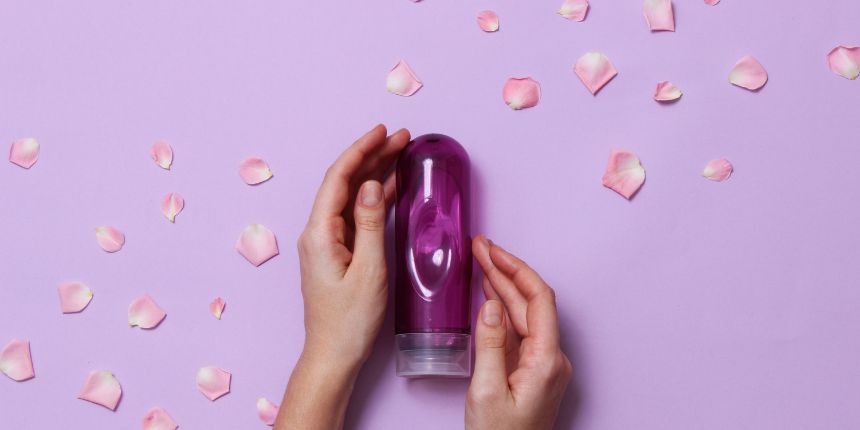
Lube for sex can make everything feel smoother, more comfortable and, quite simply, more fun. Water-based lube is the most versatile choice for many people, while silicone and oil-based formulas can be brilliant in the right situation, so the best option depends on what you are doing, what you are using with it and what feels good for you.
Why use lube during sex?
Lube reduces friction and can make sex feel smoother, more comfortable and more pleasurable. You do not need to have a problem with dryness to use it. Plenty of people simply prefer the way sex feels with a little extra slip.
Natural lubrication can change from one day to another because of arousal, hormones, stress, medication, how long you have been playing and all sorts of perfectly ordinary reasons. Using lube is not a verdict on how turned on you are.
It can also be useful for hand play, sex toys, anal play and longer sessions where a bit of extra glide keeps things comfortable. Think of it less as an emergency fix and more as another tool in your pleasure drawer.
For couples, it can even become part of foreplay. Warming a little between your fingers and applying it slowly can feel rather more exciting than simply reaching for it halfway through proceedings.
A little reassurance: using lube does not mean your body is doing anything wrong. If it makes sex feel better, that is already a perfectly good reason to use it.
What is the best lube for sex?
For most people, water-based lube is the easiest all-round choice, but silicone-based and oil-based formulas each have situations where they shine. The best lube for sex depends on whether you are using condoms, toys, water, massage or anal play.
| Type | Good for | What to know |
|---|---|---|
| Water-based | Everyday sex, condoms, most sex toys | Versatile and easy to clean, but may need reapplying |
| Silicone-based | Longer play, anal play, shower sex | Very long-lasting, but check compatibility with silicone toys |
| Oil-based | Massage and selected intimate play | Long-lasting, but generally not suitable with latex condoms |
Why choose water-based lube?
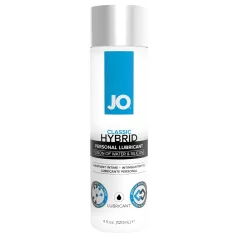
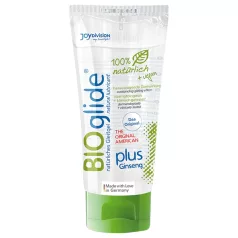
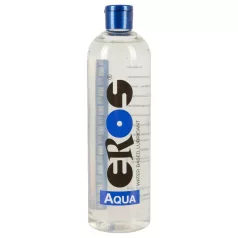
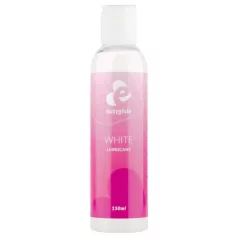
Water-based formulas are popular because they are wonderfully uncomplicated. They are usually easy to wash away, work with many condoms and toys, and are a good starting point if you are buying your first lubricant. You can browse our water-based lubricants if you want a versatile everyday option.

When is silicone-based lube useful?
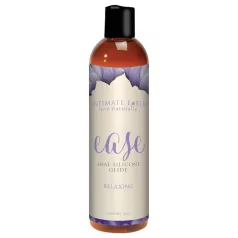
Silicone-based lube tends to stay slippery for longer and does not wash away as quickly in water. That makes it especially handy for longer sessions, anal play or shower sex. If silicone toys are joining the fun, always check the manufacturer's compatibility advice first.
What about oil-based lube?
Oil-based formulas can feel rich, silky and long-lasting, which can work beautifully for massage and certain types of intimate play. The important catch is condom compatibility. Oils can damage latex, so always check both the lubricant and condom instructions before combining them.
How do you use lube during sex?
Start with a small amount of lube, apply it where you want less friction and add more whenever you need it. There is no perfect quantity and no prize for making a tiny drop last all night.
How much lube should you use?
A small squeeze is usually a sensible place to start. Spread it between your fingers, onto the body, toy or condom as appropriate, then see how it feels. Some people like just a light slickness, while others prefer things very slippery.
Where should you apply lube?
Apply it wherever friction is happening. That might mean the vulva, penis, anus, fingers, the outside of a condom or a sex toy. For penetrative play, adding a little to both the body and the toy or penis can make things feel smoother from the beginning.
Can you add more during sex?
Absolutely. If things start feeling sticky or less comfortable, simply pause and add some more. Water-based lube in particular may need refreshing during longer sessions. A quick top-up is usually much more enjoyable than trying to power through friction.
Practical tip: keep your lube somewhere you can actually reach it. A bedside drawer beats an expedition to the bathroom at the interesting part of the evening.
At Lovesexshop.ie, orders are sent in discreet packaging, with discreet billing that does not announce a sex shop purchase on your bank statement. Reliable international delivery also helps keep the whole experience private from checkout to your door.
Which lube should you use for different types of sex?
Different kinds of sex can benefit from different lubricant textures and staying power. Water-based lube is the flexible all-rounder, while longer-lasting formulas can be particularly useful when friction is higher or water is involved.
What is the best lube for vaginal sex?
Water-based lube is a simple choice for vaginal sex because it is versatile, easy to clean and widely compatible with condoms and sex toys. If either partner has sensitive skin, look for a straightforward intimate formula and avoid anything you already know causes irritation.
What is the best lube for anal sex?
Anal play benefits from generous lubrication because the anus does not produce its own natural lubrication in the same way the vagina can. A thicker water-based formula or a longer-lasting silicone-based product can work well. Start slowly, use plenty and add more whenever needed.
If you are new to the backdoor side of things, our guide to anal sex myths, tips and toys is a useful next read. You can also explore silicone-based and anal lubricants designed for extra glide.
What lube is best for sex toys?
Water-based lube is generally the easiest choice when you use different toy materials because it works with a broad range of products. Silicone-based lube may not be suitable for every silicone toy, so check the toy manufacturer's instructions before pairing them.
Which lube can you use with condoms?
Water-based and many silicone-based lubricants are commonly designed to work with latex condoms, but the label should always have the final word. Avoid assuming that any slippery product is condom-safe. Oil-based products can weaken latex and should not be combined with latex condoms unless the packaging specifically says otherwise.
What lube works best for shower sex?
Silicone-based lube can be handy for shower sex because water does not wash it away as quickly as a water-based formula. Just remember that showers are already slippery places. For more practical pointers, have a look at our guide to water sex.
Can you use oil instead of lube for sex?
Some oils can be used for intimate play, but ordinary oil is not a universal substitute for purpose-made lube. The biggest thing to consider is what else you are using with it, especially condoms.
Purpose-made oil-based lubricants and intimate massage oils are formulated with intimate use in mind. A random bottle from the kitchen or bathroom has not necessarily been designed for genital skin, condoms or toys.
Oil also has a major compatibility issue with latex. Oil-based products can weaken latex condoms, increasing the chance that they break. If condoms are part of your plans, use a lubricant clearly labelled as compatible with the condom material you use.
For massage without latex condoms, a purpose-made intimate oil can offer a silky texture and plenty of time to play. Just keep massage and penetration needs separate in your mind instead of assuming one product is automatically suitable for everything.
What can you use instead of lube?
If you have no lube at home, the safest option is usually to wait for a product that is actually intended for intimate use rather than improvising with whatever happens to be nearby. Many household products are slippery, but slippery does not automatically mean suitable for sex.
Can you use coconut oil as lube?
Coconut oil is commonly discussed as a DIY lube, but it is still an oil and therefore should not be used with latex condoms. It is also not ideal for everyone. A purpose-made intimate lubricant gives you clearer information about ingredients, compatibility and intended use.
Can you use body lotion as lube?
Body lotion is made for external skin care, not necessarily for intimate areas or internal use. Fragrance and other ingredients that feel perfectly fine on an arm or leg may not feel quite so friendly elsewhere. It is better to use a lubricant designed for intimate contact.
Can you use saliva instead of lube?
Saliva may provide brief moisture, but it dries quickly and does not offer the lasting glide of a proper lubricant. If friction is the issue, reaching for actual lube tends to make the experience far more comfortable and saves you from repeatedly stopping to improvise.
In short, if you are wondering what to use instead of lube, the boring answer is also the useful one: keep a bottle of proper lube nearby. Your future self may be very pleased with your planning.

How do you choose the right lube?
Choose lube by matching the formula to what you plan to do, what products you use and how your body responds to different ingredients. You do not need the fanciest option, just one that fits the occasion.
Before choosing, ask yourself:
- Are you using condoms? Check the lube is compatible with their material.
- Are sex toys involved? Check both the lubricant and toy instructions.
- Do you want something long-lasting? Silicone formulas usually stay slippery longer than water-based options.
- Are you playing in water? A water-resistant formula may make more sense.
- Do you have sensitive skin? Look for a simple formula made for intimate use.
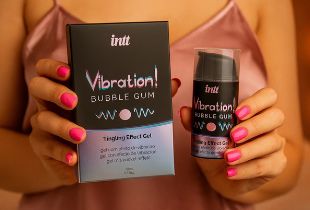
- Do you want flavour or sensation? Flavoured, warming and stimulating lubes can add another playful element if that appeals to you.
If you want to compare your options in one place, browse the full lube range at Lovesexshop.ie.
What matters when choosing intimate products? Look for clear ingredient and material information rather than relying on packaging alone. Products designed for intimate use, detailed descriptions and clear compatibility guidance make it much easier to choose confidently.
Lovesexshop.ie also offers secure payment and straightforward returns, helping you shop privately and with a little less guesswork.
What lube mistakes should you avoid?
The biggest lube mistakes come from assuming every slippery product works with every body, condom and sex toy. A quick label check can save both discomfort and a favourite toy from an unfortunate experiment.
- Using oil with latex condoms: oils can weaken latex, so choose a compatible lubricant instead.
- Assuming silicone lube works with every silicone toy: compatibility varies, so follow the manufacturer's instructions.
- Using too little: if something feels uncomfortably dry or draggy, add more rather than pushing through.
- Using random household products: creams, lotions and oils are not automatically designed for intimate areas.
- Ignoring irritation: if a lubricant stings, burns or simply does not feel right, stop using it and wash it away.
- Thinking lube is only for dryness: it can be part of pleasure, foreplay and experimentation even when natural lubrication is not an issue.
Most importantly, lube should help sex feel better, not encourage you to continue through pain. If something hurts, slow down, stop or change what you are doing rather than treating more lubricant as the answer to every kind of discomfort.
What do people most often ask about lube for sex?
Can I use lube every time I have sex even if I am not dry?
Yes. Lube is not only for dryness. Many people use it simply because they enjoy the extra glide, comfort and sensation it adds. You can use lube whenever you like, whether natural lubrication is present or not, as long as the product suits the activity and anything else you are using.
Which lube should we use if we use condoms and sex toys at the same time?
Water-based lube is often the simplest starting point because it is compatible with many condoms and sex toy materials. Always check the instructions for both the condom and toy, however, as materials differ. Product-specific compatibility guidance is more reliable than assuming one formula works with absolutely everything.
What can I safely use instead of lube if I do not have any at home?
Rather than experimenting with lotions, creams or household oils, it is usually better to wait until you have a lubricant made for intimate use. Household substitutes can have ingredient, condom or toy compatibility issues that are not obvious simply from how slippery they feel.
Can I use oil during sex if we are not using condoms?
A purpose-made intimate oil may be suitable for certain types of sexual play when latex condoms are not involved. Check the product instructions and make sure it is intended for the area where you plan to use it. Massage oil and personal lubricant are not automatically the same thing.
Is water-based or silicone-based lube better for anal sex?
Both can work. A thicker water-based lube is versatile and easy to clean, while silicone-based lube tends to stay slippery for longer. The better option depends on your toys, condoms and preferences. Whichever you choose, generous application and reapplication when needed are more important than chasing one perfect formula.
Can silicone lube damage a silicone sex toy?
Some silicone-based lubricants may affect the surface of some silicone toys, so it is best to follow the toy manufacturer's care and compatibility instructions. If the guidance is unclear, water-based lube is usually the simpler option when you want to avoid potential material compatibility problems.
Which lube for sex should you try first?
If you are new to lube for sex, a good water-based formula is usually the easiest place to start. It is versatile, simple to clean and works for plenty of different ways to play. From there, you can explore longer-lasting silicone formulas, stimulating options or intimate oils depending on what you enjoy.
The real goal is not finding the one "best" lubricant for everyone. It is finding the texture and formula that works for your body, your partner, your condoms or toys and whatever is on tonight's agenda.
Explore the lubes at Lovesexshop.ie, check the compatibility details, pick the type that suits your plans and let things get pleasantly slippery from there.
Struggling with performance in the bedroom? You're not alone — and you don't have to reach for pharmaceuticals to see real improvement. From everyday foods to simple lifestyle changes, there are proven natural methods to support stronger erections, higher libido, and better stamina. In this guide, we break down what actually works, answer the most common questions men have about natural potency enhancement, and explore when a herbal supplement might be worth trying.
Passion isn't a switch you simply turn on and off. It's more like a radio dial, and when you adjust it carefully, you find the perfect frequency. That's exactly what erogenous zones help you do.
Water sex is one of the most common erotic fantasies — romantic, adventurous, and just a little bit forbidden. But the reality doesn't always live up to the dream. Here's everything you need to know before you take the plunge.
The sexual wellness world never stops surprising. Beyond the classics like vibrators, dildos and lubes, there’s a growing range of thrilling extras designed to take your pleasure to the next level.