Embracing Intimacy Through Menopause: A Sexologist's Guide to Thriving Between the Sheets
When it comes to menopause, we need to talk about more than just hot flashes—let's discuss how to keep the spark alive during this transformative phase of life.
Menopause isn't just a single moment in time; it's an entire journey that can span decades, reshaping not only how we experience our bodies but also how we connect with ourselves and our partners. According to insights shared in HuffingtonPost, this natural transition brings with it a constellation of changes that extend far beyond temperature regulation, touching everything from desire levels to the very texture of our most intimate tissues. To better understand how to navigate intimacy during this time, we turned to Sofie Roos, a Swedish sexologist and couples' counsellor who is the author at Passionerad and has helped countless people rediscover their sexual confidence. Yet despite affecting half the population, navigating the sexual landscape during and after menopause often feels like wandering through uncharted territory without a map.
Licensed sexologist, relationship therapist, and author Sofie Roos from Passionerad has dedicated her career to helping people understand that menopause doesn't signal the end of satisfying intimacy—rather, it marks the beginning of a new chapter. With her expert guidance, we're exploring how to cultivate a vibrant, fulfilling sex life that honors the changes your body is experiencing while opening doors to pleasure you might never have imagined. The secret lies not in fighting against these natural shifts but in learning to dance with them, discovering fresh pathways to connection and sensation along the way.
Welcoming Your Evolving Desire
The first step toward maintaining intimacy through menopause involves releasing any preconceived notions about how your libido "should" behave. Your relationship with desire is entering a period of transformation, and according to Roos, this metamorphosis can manifest in surprisingly diverse ways. Some individuals find their interest in physical intimacy mellowing, while others experience an unexpected renaissance of passion that catches them delightfully off guard. Perhaps most intriguingly, many people discover that their lust takes on entirely new dimensions during this phase, becoming more emotionally nuanced and deeply rooted in connection rather than purely physical impulse.
The temptation to panic when things feel different is entirely understandable, yet Roos encourages a radical reframing of this experience. Rather than mourning what was or desperately attempting to recapture your pre-menopausal sexuality, consider this an invitation to explore uncharted territory within yourself. When you release the expectation that intimacy must look and feel exactly as it always has, you create space for something potentially even more profound. This shift in perspective transforms menopause from a loss into an opportunity for discovery, allowing you to uncover layers of pleasure and connection that may have been waiting all along for the right moment to emerge.
Making Lubrication Your Most Trusted Companion
As hormonal landscapes shift during menopause, estrogen levels fluctuate in ways that directly impact vaginal tissue, often resulting in increased dryness that can transform once-comfortable intimacy into something decidedly less enjoyable. This physiological change creates what Roos describes as a particularly frustrating cycle: discomfort during sex diminishes interest in sex, which in turn makes the experience feel even more disconnected from the pleasure it once brought. Breaking this pattern requires acknowledging that your body's needs have evolved and responding accordingly.
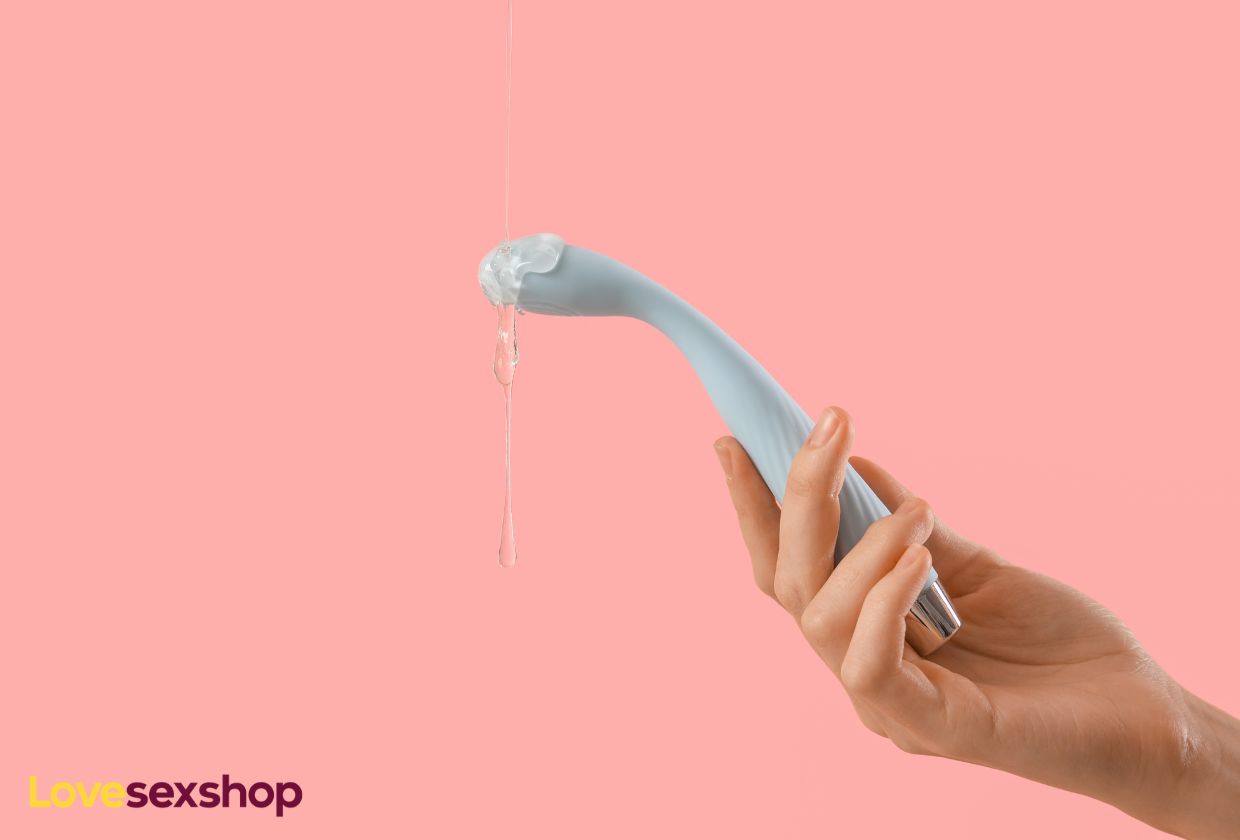
Enter your new best friend in the bedroom: high-quality lubricant, specifically the silicone-based lubricant variety that Roos champions as a genuine game-changer. This isn't about using a modest amount and hoping for the best; the key lies in generous, unapologetic application that genuinely transforms the experience. Think of lubrication not as a compromise or workaround but as an essential tool that allows you to fully inhabit pleasure without the distraction of discomfort. By making lube a non-negotiable part of your intimate encounters, you're actively investing in maintaining the sensations that make sex worth having in the first place.

Embracing the Art of Extended Foreplay
Research increasingly suggests that the journey to arousal often takes a more scenic route during and after menopause, with hormonal shifts creating changes in sensitivity that require a recalibration of expectations around timing. What once might have required relatively little preparation may now benefit from a more leisurely, intentional approach to building desire. Rather than viewing this as an inconvenience, Roos invites us to see it as an opportunity to deepen the richness of intimate experiences.
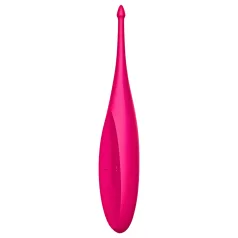
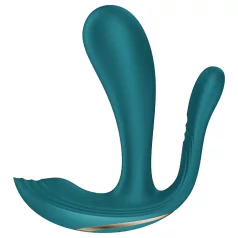
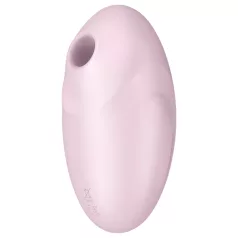
Investing genuine time and attention in foreplay transforms it from a brief preliminary activity into an art form worth savoring. Consider incorporating sensual massage techniques that allow you to slowly awaken nerve endings across your entire body rather than focusing exclusively on traditionally erogenous zones. Extend those moments of kissing and cuddling that often get rushed through in the interest of efficiency, allowing your body the time it needs to fully transition into a state of receptivity. Explore touches that begin with whisper-light pressure and gradually intensify, creating waves of sensation that build organically rather than demanding immediate response. And don't hesitate to introduce tools designed specifically to enhance pleasure—vibrators and other intimate devices can be particularly effective at encouraging blood flow to vaginal tissues, essentially helping your body remember its capacity for arousal.
Rediscovering Your Solo Pleasure Practice
While conversations about menopausal sex often center on partnered experiences, Roos emphasizes that your relationship with your own body deserves equal attention during this transitional period. Menopause presents a unique opportunity to become reacquainted with what genuinely excites you, to explore dimensions of your sexuality that may have remained dormant or undiscovered until now. This isn't about settling for solo pleasure in the absence of a partner; it's about recognizing masturbation as a valuable practice for understanding and honoring your evolving needs.
Begin by experimenting with different forms of arousal stimulation—perhaps diving into erotic literature that speaks to your specific desires or exploring visual content that feels authentically exciting rather than performative. Invest in quality intimate devices, particularly those that offer various intensities and patterns of vibration, giving yourself permission to discover what resonates with your body in its current state. Remember that generous lubrication matters just as much during solo exploration as it does with a partner, and don't hesitate to extend your self-pleasure sessions far beyond what might have satisfied you previously. The process of building arousal slowly, allowing sensation to compound and intensify over time, often yields surprisingly powerful results.
Most importantly, approach this rediscovery with flexibility and patience. If techniques that once worked reliably now feel underwhelming or uncomfortable, release them without judgment and continue exploring until you find approaches that genuinely resonate. The path back to deeply satisfying solo sex may require some navigation, but persistence paired with curiosity inevitably leads to destinations worth reaching.
Opening Channels of Communication
When you're navigating these changes alongside a partner, their understanding and collaboration becomes an invaluable resource. Yet many people struggle to articulate shifting needs around intimacy, whether from embarrassment, uncertainty about what they actually want, or concern about how their partner might react. Roos strongly advocates for honest, respectful dialogue around these changes, emphasizing that withholding information about what does and doesn't feel good anymore ultimately serves no one.
Your boundaries and preferences become even more crucial as your body transforms, making it essential to create space for conversations about what brings you pleasure, what no longer works the way it once did, and what unexplored territories you might be curious to venture into together. Think of your partner not as someone who should instinctively understand these shifts but as a willing collaborator who genuinely wants to help you experience satisfying intimacy—they simply need guidance about how to do so effectively. By inviting them into your experience rather than shouldering these changes in isolation, you prevent the buildup of stress and anxiety that can absolutely devastate sexual desire. Remember, you're navigating this territory as a team, and keeping vital information to yourself only makes the journey more difficult for both of you.
Strengthening Your Foundation
The pelvic floor often remains mysterious territory despite its crucial role in sexual function, bladder control, and overall pelvic health. Roos enthusiastically recommends incorporating pelvic floor exercises into your routine as a powerful tool for managing numerous menopause-related symptoms, particularly those affecting intimacy. Strengthening these internal muscles contributes to heightened sensitivity during sex, more intense pleasure overall, and an enhanced capacity for orgasm—benefits that extend well beyond the bedroom into everyday comfort and confidence.
Research supports Roos's recommendation, with studies indicating that Kegel exercises combined with adequate lubrication significantly improve sexual function in menopausal women, with some findings suggesting that pelvic floor work may prove even more effective than lubrication alone. The beauty of these exercises lies in their accessibility—they require no equipment, can be performed virtually anywhere once you've learned the technique, and deliver cumulative benefits that continue building over time. Whether you're just beginning to explore pelvic floor strengthening or you've practiced it for years, maintaining this aspect of your physical health pays dividends in sexual satisfaction and overall wellbeing.
Remembering the Joy Factor
Perhaps the most transformative piece of Roos's advice involves fundamentally reframing how we conceptualize sex itself. Somewhere along the line, intimacy often becomes weighted with expectations around performance, frequency, and achieving specific outcomes—pressures that feel particularly oppressive when your body is already navigating significant changes. Roos invites us to strip away these burdensome layers and return to the core truth that sex exists primarily as a source of pleasure, playfulness, and connection.
When you shift your mindset from viewing intimacy as something requiring a particular level of performance to seeing it as a space for emotional and physical closeness infused with genuine enjoyment, everything becomes lighter and more accessible. This doesn't mean settling for less satisfying experiences; rather, it means releasing the tension that so often interferes with authentic pleasure. The less pressure you place on yourself to show up in specific ways or achieve particular results, the more readily you'll reconnect with your own innate sensuality and desire. This playful, pressure-free approach to intimacy remains valuable regardless of where you are in your menopausal journey—it's simply good practice for any stage of life.
The journey through menopause represents not an ending but a transformation, an opportunity to develop a more nuanced, deeply satisfying relationship with pleasure and intimacy. By honoring the changes your body is experiencing while remaining curious and open to new possibilities, you're not just maintaining your sex life—you're potentially elevating it to heights you never previously imagined. The wisdom shared here, based on HuffingtonPost's conversation with expert Sofie Roos, offers a roadmap for this exploration, reminding us that with the right tools, mindset, and support, the landscape of desire remains rich with possibility at every age.
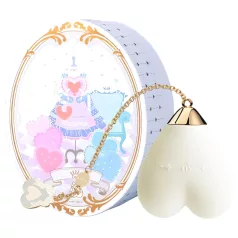
These expert-recommended kegel balls can help improve bladder control, support postnatal recovery, and strengthen your pelvic floor muscles.
The wet orgasm – also known as squirting – is one of the most thrilling and visually intense experiences a woman can have during sex or masturbation. It’s no surprise that it often appears in porn, since the sight of it is incredibly arousing for many – especially men. While some still think it’s just a myth, plenty of women have reported experiencing this powerful, squirting climax. The good news? With the right stimulation and an open mind, you can experience it too.
Female orgasm is still a mystery for many – and it’s no wonder. While men usually reach sexual satisfaction easily, it’s not always that simple for women. The female body is sensitive, reacts to many stimuli, and the path to pleasure is different for everyone. Female climax isn’t just a physical response but also an emotional and mental experience. It’s important to know there are many ways to reach orgasm – each bringing a unique sensation of pleasure.
In the online world and across social media, new slang terms pop up all the time and spread in the blink of an eye. Sometimes they make us smile, other times they leave us a bit surprised. Lately, one phrase has been searched more and more often – “coochie juice.” But what exactly does it mean, and why is everyone talking about it?