
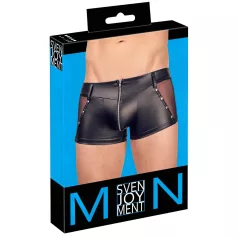
What Is a Fetish? Common Types, Examples and What They Mean
A sexual fetish is a strong erotic interest in a particular object, material, body part or other specific focus that can play an important role in arousal. Fetishes vary widely, from feet and footwear to latex, lingerie and certain textures, and having one is not automatically unusual or unhealthy.
People often use the words fetish and kink interchangeably, but they are not quite the same thing. Below, we will clear up the difference, look at common types of fetishes and explore how you can bring a new interest into your sex life safely, consensually and without making it feel like a very serious board meeting.
What is a fetish and what does it mean sexually?
A fetish is an especially strong sexual interest focused on a particular object, material, body part or other specific stimulus. For some people it is simply one ingredient in their sexual menu. For others, that particular stimulus may be a much more important part of becoming aroused.
Someone might, for example, find feet unusually erotic, feel turned on by the look and feel of latex, or be particularly attracted to boots, stockings or certain types of underwear. The important thing is that there is no universal list of what must count as sexy. Human arousal is wonderfully individual.
In everyday conversation, people also use "fetish" much more broadly. You might hear someone describe bondage, spanking or role play as a fetish, even though these are usually better described as kinks. That is why lists of "fetishes" online can look wildly different from one another.
Having a fetish also does not mean you need it every time you have sex. Some people enjoy a particular fetish occasionally, while others find it forms a central part of their fantasies and sexual identity.
What is the difference between a fetish and a kink?
A fetish usually has a specific focus, while kink is the broader term for sexual interests, activities and dynamics that fall outside someone's idea of conventional sex. Think of kink as the big umbrella, with some fetishes sitting underneath it.
A foot fetish is a useful example. Here, the erotic focus is the feet themselves, or perhaps footwear associated with them. Latex can work in a similar way when the material itself, including its appearance, texture or smell, is part of the attraction.
Bondage, dominance and submission, spanking and role play are different. These tend to be about an activity, sensation, fantasy or relationship dynamic, so "kink" is usually the more accurate description.
Of course, real sex lives do not organise themselves into neat little boxes. Someone may have a latex fetish and enjoy dominance. Another person might love bondage but have no particular fetish at all. If fantasy and character play are more your thing, our guide to sexual roleplay is a useful next read.
What are the most common types of fetishes?
Common types of fetishes include interests focused on body parts, footwear, clothing, fabrics and materials such as leather or latex. There is no definitive master list, and people's interests can be far more specific than a simple category suggests.
Body part fetishes
Feet are probably the best known example, but hands, hair and other non-genital body parts can also become a strong focus of attraction. The appeal may involve appearance, touch, smell, movement or the ritual around interacting with that particular part of the body.
Clothing and footwear fetishes
Boots, high heels, stockings, underwear, lingerie and uniforms can all have a strong erotic association for some people. Sometimes it is the item itself that matters, while for others the attraction comes from seeing a partner wearing it or from putting it on themselves.
Material and texture fetishes
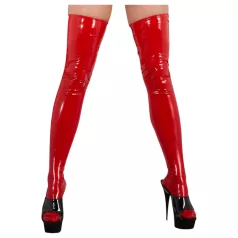
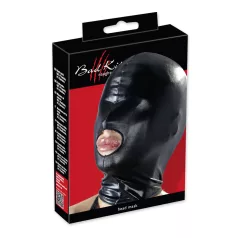
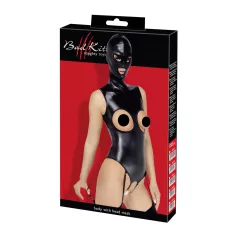
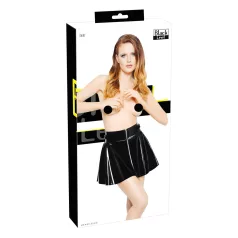
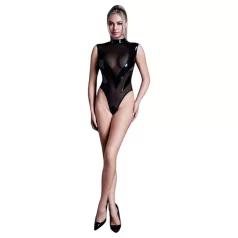
Latex, leather, rubber, satin and other distinctive materials can appeal through their texture, appearance, smell or the sensation of wearing them. If clothing or materials are part of what catches your attention, browsing different styles of fetish clothing can help you work out what actually appeals to you.
Interests often called fetishes but better described as kinks
Bondage, spanking, dominance and submission, sensation play, chastity and role play regularly appear on fetish lists. They can certainly overlap with fetishes, but they are generally activities or dynamics rather than fetishes in the narrower sense.

Material matters: if your fetish involves clothing, restraints or anything that stays in close contact with the body, quality is more than a nice extra. Look for well-finished, body-friendly materials, check how an item should be cleaned and make sure anything tight or restrictive can be removed easily.
Why do people develop fetishes?
There is no single proven reason why a particular person develops a fetish. Sexual preferences can be shaped by many influences, including experiences, associations, fantasy, learning and the way an individual's brain connects certain sensations or images with arousal.
Sometimes an object, material or situation becomes associated with excitement during an important period of sexual development. Repeated fantasies can strengthen that connection. In other cases, a person may simply discover that a specific texture, visual detail or scenario turns them on without ever identifying a clear reason why.
And that is perfectly possible. You do not need to conduct a forensic investigation into your teenage years just because you really like stockings.
Research into sexual interests continues, but human sexuality is too varied for a neat "this causes that" explanation. A more useful question is often not "Why am I into this?" but "Does this interest feel positive, consensual and compatible with the kind of sex life I want?"
Are fetishes normal and when can they become a problem?
Having a fetish does not automatically mean that anything is wrong with you. Unusual sexual interests can exist as part of a healthy sex life when they involve consenting adults, respect everyone's boundaries and do not create significant distress or interfere with everyday life.
The strength of the interest also varies. One person may occasionally enjoy seeing their partner in boots. Another may find footwear plays a major role in their fantasies. Neither example alone tells you whether there is a problem.
It may be worth speaking with a suitably qualified sexual health or mental health professional if an interest causes persistent distress, seriously affects relationships or daily life, or depends on involving people who have not consented.
Consent is the dividing line that matters most in practice. Fantasies can be incredibly broad, but acting on them must respect the autonomy, comfort and safety of everyone involved.
How can you explore a fetish safely and comfortably?
The safest way to explore a fetish is gradually, with clear consent, realistic boundaries and equipment that suits your experience level. You do not need to jump straight into the most intense version of a fantasy for it to count.
Start with the easiest version
If clothing is the attraction, start by wearing or looking at the material. If restraint interests you, perhaps begin with soft cuffs rather than complicated bondage. If sensation is the appeal, try something gentle first and see how your body responds.
Agree on boundaries before you begin
- Talk about what each of you wants to try.
- Say clearly what is off limits.
- Decide how either partner can pause or stop.
- Stay able to communicate throughout the experience.
- Check in afterwards about what felt good and what you would change.
If you discover that atmosphere and setting are part of the excitement too, our guide on how to build a sex room at home has practical ideas without requiring you to turn the spare bedroom into a dungeon overnight.
A simple safety rule: anything used for restraint should have a quick and easy way to release it. Avoid restricting breathing or circulation, check skin regularly and stop if you notice numbness, unusual pain, dizziness or loss of sensation. Curiosity is fun, preventable injuries less so.
How do you talk to your partner about a fetish?
Talk about a fetish as an invitation to understand you, not as a request your partner is expected to accept. A relaxed conversation outside the bedroom is usually much easier than revealing a big fantasy when clothes are already coming off.
You could start with something simple: "There is something I find really sexy that I would love to tell you about. You don't have to be into it, but I'd like to share it with you."
That does three useful things at once. It tells your partner this matters to you, removes pressure and gives them space to be curious rather than immediately deciding yes or no.
If they are interested, talk about what version of the fantasy might feel comfortable for both of you. Someone may not share your fetish but still enjoy incorporating part of it because they like seeing your reaction. Equally, they may decide it is not for them. Both responses deserve respect.
Your curiosity can stay private: Lovesexshop.ie uses discreet packaging, and the words "sex shop" do not appear on your bank statement. Reliable international delivery also means you can explore new ideas without broadcasting what is inside the parcel to the neighbours, courier or anyone else who does not need to know.
Which fetish toys and accessories can beginners explore?
Beginner-friendly fetish play usually works best with simple products that are easy to control, easy to remove and comfortable to use. The goal is to add a new sensation or dynamic, not to buy the most intimidating item on the page and hope for the best.
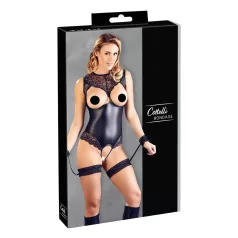
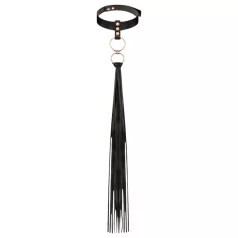
Soft cuffs, blindfolds and simple sensory accessories are approachable ways to experiment with restraint, anticipation and control. You can browse different BDSM accessories and choose something that matches the intensity you actually want.
If restraint itself is the attraction, the bondage collection includes different styles for exploring that dynamic gradually. Remember, bondage is generally considered a kink rather than a classic fetish, but the two often overlap in real-life fantasies.
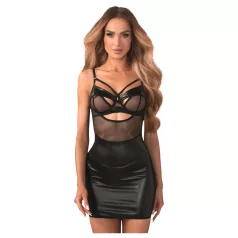
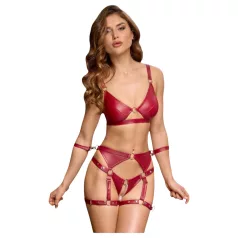
Clothing can be an even softer starting point. Latex-look pieces, lingerie, stockings or other outfits can transform the mood without requiring a complicated scene.
Whatever you choose, pay attention to material quality, sizing, construction and cleaning instructions. A sexy idea becomes considerably less sexy when a poorly finished buckle starts digging into your skin.
Shop with confidence: secure payment, clear product information and straightforward returns make experimenting feel less risky. Lovesexshop.ie also focuses on quality, body-friendly materials where relevant and detailed product descriptions. As with intimate products generally, return options can depend on hygiene conditions, so check the product information before opening sealed items.
What do people often ask about fetishes?
Questions about fetishes usually come down to definitions, normality, relationships and how much a particular interest needs to shape your sex life. These are some of the most common things people want to know.
Is a fetish the same as a kink?
No. Kink is a broad term covering unconventional sexual interests, activities and dynamics. A fetish usually centres more specifically on an object, material, item of clothing or particular body part. The two can overlap, which is why terms such as bondage fetish or BDSM fetish are often used casually.
Can you have more than one fetish?
Yes. Sexual interests do not have to fit into a single category. Someone might be especially attracted to feet, latex and certain power dynamics at the same time. Preferences can also overlap, change in intensity or become more noticeable as you gain experience and learn what genuinely excites you.
Do fetishes change over time?
They can. Some sexual interests remain remarkably consistent, while others become stronger, weaker or evolve as your experiences and relationships change. You may also discover a new fetish later in life. There is no rule saying all your preferences need to have appeared at the beginning of your sexual life.
Do I need a fetish to enjoy kink?
Not at all. You can enjoy bondage, role play, spanking, dominance, submission or other forms of kink without having a fetish. A kink can simply be an activity or dynamic you find exciting. Likewise, someone can have a fetish without being particularly interested in BDSM or other kinky activities.
What if my partner does not share my fetish?
Your partner does not have to share a fetish for your relationship to work, and sharing it does not mean they are obliged to participate. Talk openly about what the interest means to you. You may find a comfortable compromise, or you may agree that this particular fantasy stays a fantasy.
Can a fetish be explored without sex?
Absolutely. Fetish exploration can involve clothing, fantasy, conversation, photography between consenting adults, role play or simply enjoying a particular material or sensation. Removing the expectation that every experiment must lead to sex can actually make it easier for couples to explore curiosity without putting pressure on the experience.
How can you decide whether exploring a fetish is right for you?
A fetish is worth exploring when the idea genuinely excites you and everyone involved feels safe, informed and free to say yes, no or not yet. You do not need to label yourself before experimenting, and you certainly do not need to work through an online fetish checklist like it is homework.
Start with curiosity. Ask yourself what part of the fantasy actually appeals to you. Is it the appearance of a particular material? The feeling of giving up control? Seeing your partner dressed differently? A specific body part? The anticipation?
Once you understand the attraction, it becomes much easier to find a gentle way of exploring it. Talk first, start small and adjust based on what feels good in reality rather than what looked exciting in your imagination.
Most importantly, remember what what is a fetish really tells us about sexuality: people's turn-ons can be surprisingly specific, wonderfully varied and completely personal. When they are explored between consenting adults with communication, quality equipment and respect for boundaries, there is plenty of room to be curious.
Curious where to start?
Sometimes the easiest first step is simply seeing what catches your eye. Explore different materials, looks and styles in our fetish collection, then take things at whatever pace feels right for you or you and your partner.
Ever fantasised about being someone else in the bedroom? You're far from alone. Sexual roleplay has exploded in popularity in recent years. From cheeky boss-and-employee scenarios to classic uniformed fantasies, couples are discovering that stepping into a character can be the ultimate way to reignite passion and explore desires they never knew they had.
Struggling with performance in the bedroom? You're not alone — and you don't have to reach for pharmaceuticals to see real improvement. From everyday foods to simple lifestyle changes, there are proven natural methods to support stronger erections, higher libido, and better stamina. In this guide, we break down what actually works, answer the most common questions men have about natural potency enhancement, and explore when a herbal supplement might be worth trying.
Thinking about creating a dedicated space for intimacy at home? This guide walks you through everything you need to know about building a sex room that feels private, personal and genuinely exciting — from layout and lighting to furniture, storage and the right accessories
A chastity cage should feel secure, comfortable and easy to remove, never painful or circulation-limiting. The right choice comes down to accurate measurements, a well-finished body-safe material, sensible first wear sessions and a cleaning routine that keeps skin calm and healthy.